The Hidden Complexities of Transferring Amazon Brand Assets in M&A: Lessons from the SlimFast Acquisition

When one business acquires another, the headlines usually focus on deal value, strategic rationale, and market opportunity. Yet behind the scenes lies one of the most technically demanding and highest‑risk work-streams of any consumer‑brand acquisition: migrating Amazon brand assets, catalogue structures, and Seller/Vendor Central accounts.
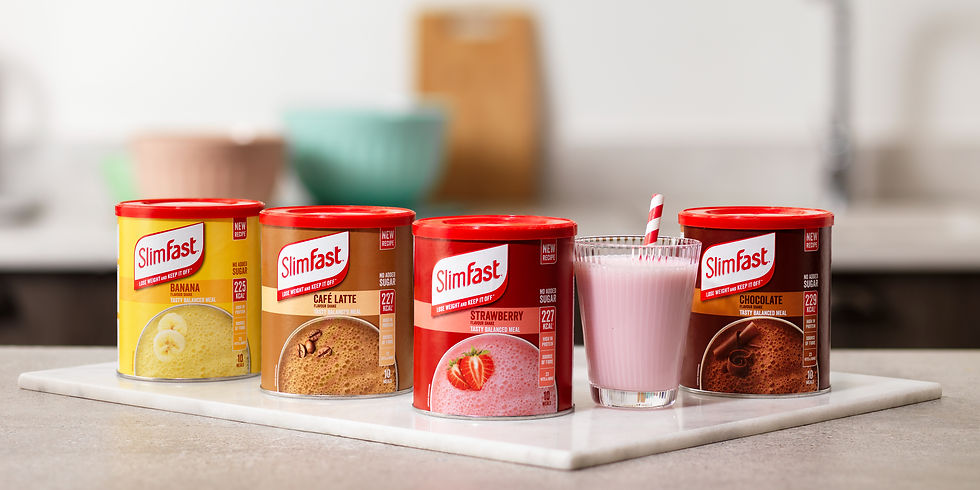
In October 2025, the acquisition of SlimFast’s UK and European assets by Supreme Plc from Glanbia offered a live illustration of how these challenges unfold. Supreme acquired the brand for £20.1 million, securing a portfolio that spanned ready‑to‑drink shakes, powders, snacks, wide retail distribution, and a significant Amazon presence.
For organisations like 17VERDE Ltd, which were engaged in supporting transition work during this period, the SlimFast deal underscored just how intricate Amazon platform migrations have become.
Untangling Ownership: Brand Registry and IP Transfer
One of the first, and most critical, steps in any Amazon‑related transfer is sorting out Brand Registry ownership.
For SlimFast, the brand had been part of Glanbia’s portfolio since 2018 and was officially designated a non‑core asset in February 2025, prompting its divestiture.
By October 2025, Glanbia completed the sale of SlimFast UK, Ireland, and other jurisdictions to Supreme, marking the brand’s exit from Glanbia’s global nutrition portfolio.
However, transferring Brand Registry is not a simple push‑button task:
Amazon requires synchronised updates across trademark ownership, legal entities, and seller/vendor account alignment.
Old and new IP representatives must cooperate on timing, any lag can lock out both parties from catalogue control.
Amazon may require re‑verification, delaying access to A+ content, stores, and advertising assets.
In M&A timelines measured in hours and days, not weeks, these dependencies become operationally critical.
Catalogue Migration: One Brand, Hundreds of SKUs, Thousands of Attributes
SlimFast’s assortment across Europe included ready‑to‑drink shakes, ready‑to‑mix powders, high‑protein formulations, gluten‑free lines, and more.
For an acquiring business, this means:
Parent/child variations must be preserved (or rebuilt) to avoid sales cannibalisation.
Historical content versions must be retained where Amazon ranks them well.
Nutrition, compliance, and imagery updates must be re‑mapped into new internal workflows.
Category‑specific nuances (e.g., food & drink, wellness claims) require strict listing governance.
One of the biggest issues 17VERDE has seen during acquisition‑stage catalogue migrations is the risk of Amazon auto‑merging listings, overwriting new content with legacy data, or suspending items during ownership change.
Without forensic catalogue mapping and timing controls, brands risk losing years of SEO and sales history overnight.
Seller Central vs. Vendor Central: A Two‑Headed Challenge
SlimFast’s distribution footprint included placements across Amazon, major grocers, discount retailers, and drugstores such as Boots and Superdrug.
This multi‑channel structure often results in brands running hybrid Amazon operations, Vendor for core lines and Seller Central for innovation or D2C packs.
During an acquisition:
Vendor Central challenges
VC accounts are not transferable between legal entities.
Amazon often requires new onboarding, which may take weeks.
Existing purchase order flows may stall until the new entity is verified.
Seller Central challenges
SC accounts can transfer under strict conditions, but:
Banking details must be updated in a particular sequence,
Tax/VAT updates can trigger verification holds,
Performance metrics follow the account, meaning legacy issues become the buyer’s problem.
17VERDE often finds that the most difficult workstream is synchronising content governance, stock allocations, and pricing rules across both portals so the brand doesn’t experience a visibility or Buy Box collapse during the transition.
Advertising, DSP, and Retail Media Disruption
SlimFast historically operated across multiple ad formats including Sponsored Brands, Sponsored Products, and Amazon DSP due to its strong ecommerce presence.
The challenge for any acquirer is that Amazon Advertising accounts do not automatically migrate with the brand:
DSP contracts may be tied to the seller entity or external agency.
Ad audiences, remarketing pools, and campaign learnings may not transfer.
Attribution lines (brand vs. organic vs. paid) reset if IDs change.
This can create a temporary performance vacuum, where visibility drops just as the acquiring company needs momentum.
Operational Realities: Logistics, Compliance & Systems Integration
Supreme’s acquisition rationale centred on integrating SlimFast into its vertically integrated distribution platform, unlocking operational synergies and expanding the weight‑management category.
But Amazon adds additional friction:
FBA replenishment cycles depend on historical sell‑through, which may reset.
Compliance documents (CoAs, product images, labels) must be updated under the new manufacturer/distributor details.
If production moves, as Supreme planned for powder products, Amazon may require new GTIN submissions or safety testing.
17VERDE’s experience is that operational integration often becomes the single greatest determiner of whether Amazon sales stabilise or crater post‑acquisition.
What 17VERDE Learned from the SlimFast Transition
Working on aspects of the SlimFast transition reinforced several truths:
Early Amazon planning must happen before deal completion
Amazon does not wait for M&A to catch up; listings, ads, and logistics must keep running.
Catalogue and Brand Registry require a forensic, SKU‑level migration plan
Even minor errors can create weeks of lost visibility.
Seller/Vendor Central alignment needs a dedicated migration owner
Without a single accountable leader, workstreams become fragmented and Amazon interventions become reactive.
Communication between seller, buyer, and Amazon is key
Glanbia → Supreme was a well‑structured corporate transfer, but Amazon workflows still required hand‑holding.
Operational synergies only materialise when Amazon foundations are stable
Supreme’s vertically integrated model is a strength, but only once Amazon inventory, compliance, and visibility are secured.
Conclusion: Amazon is Now a Core M&A Workstream, Not an Afterthought
As the SlimFast deal demonstrated, brand acquisitions in 2025 and beyond involve far more than transferring trademarks and inventory. Amazon has become one of the primary revenue engines for FMCG brands, and its infrastructure doesn’t bend easily to corporate deal structures.
For acquiring businesses, the question is no longer “How do we move the brand?”
It’s “How do we protect its digital equity on Day 1?”
For organisations like 17VERDE that specialise in ecommerce transition and brand operations, this new reality is both a challenge and an opportunity: to help brands navigate one of the most technically demanding parts of modern M&A.
If you’d like help planning or executing an Amazon asset migration during acquisition, we would be happy to support. Get in touch here.